The Internet of Things (IoT) is currently transforming how we interact with technology. From smart cities to industrial sensors, these devices must maintain constant connectivity to function. However, maintaining a stable wireless link in complex environments presents a major challenge. Many developers now turn to multi-band signal optimization to solve these connectivity hurdles. This technology allows devices to communicate across various frequency ranges simultaneously or dynamically. Consequently, it ensures data reaches its destination even in crowded or remote areas. This guide explores the technical mechanics of multi-band strategies in modern IoT hardware. We will help you understand how this optimization drives the next generation of smart devices.
The Core Concept of Multi-Band Signal Optimization
Before diving into applications, we must define what this optimization actually entails for IoT hardware.
What is Multi-Band Technology?
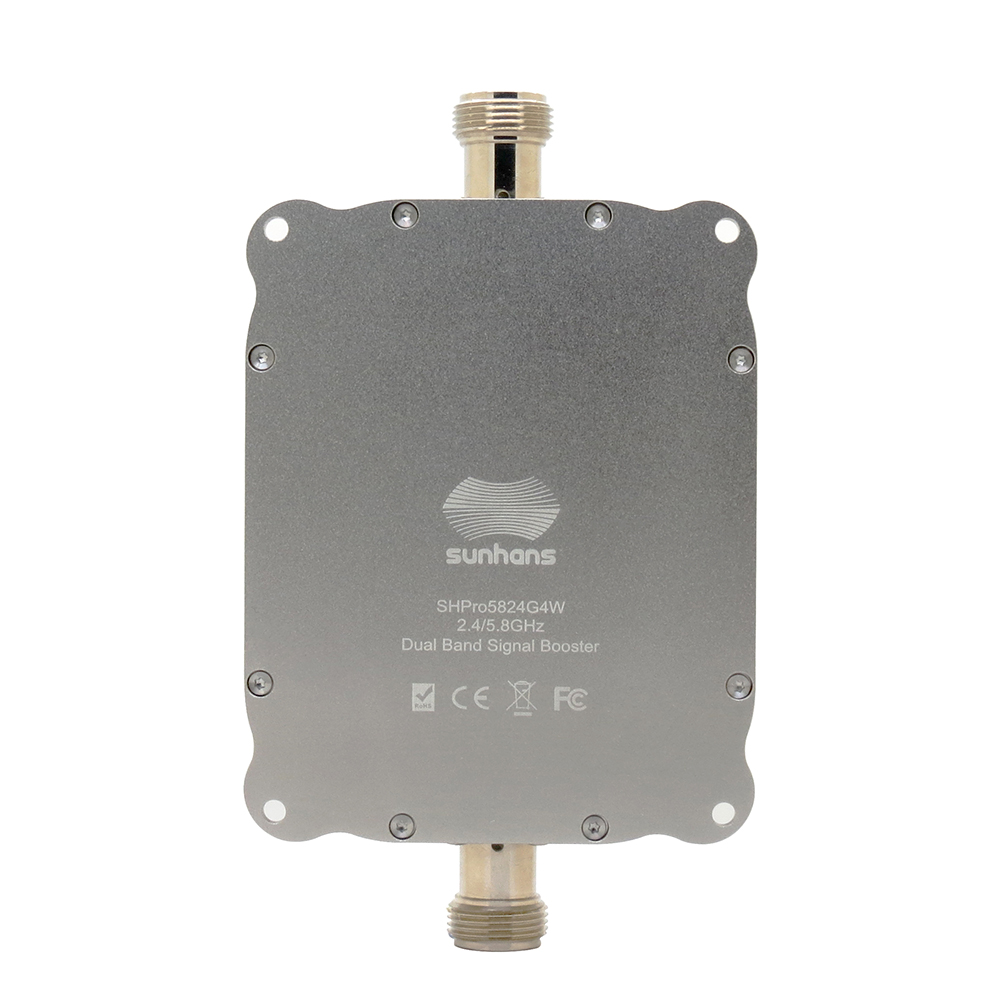
Most traditional wireless devices operate on a single frequency band, such as 2.4GHz. In contrast, multi-band devices can access several different frequencies like 868MHz, 915MHz, or 2.1GHz. Multi-band signal optimization involves choosing the best available path for data transmission in real-time. This flexibility prevents total signal loss when one specific frequency becomes blocked or congested.
Dynamic Switching vs. Simultaneous Transmission
Some systems switch between bands based on the current signal strength or noise levels. Other advanced systems send the same data across multiple bands at once for maximum redundancy. This redundancy proves vital for mission-critical applications where data loss is not an option.

Why IoT Devices Specifically Need Signal Optimization
IoT devices often operate in environments that are hostile to radio waves. Without proper optimization, these “smart” objects quickly become “dumb” and useless.
-
Physical Obstructions: Thick concrete walls and metal shelving often block high-frequency signals easily.
-
Spectrum Congestion: Thousands of devices in a small area create massive electronic noise.
-
Power Constraints: Battery-powered sensors cannot afford to waste energy on failed transmission attempts.
-
Variable Locations: Mobile IoT trackers move through different network zones with varying frequency support.
By utilizing a multi-frequency annunciator, manufacturers can guarantee better performance regardless of these environmental factors. It allows a device to drop to a lower, more penetrating frequency when it moves indoors.
Technical Strategies for Signal Enhancement
How do engineers actually implement these optimizations in a tiny, low-power device? Several key strategies define modern IoT design.
Antenna Diversity and Tuning
Sophisticated antennas can now tune themselves to different frequencies on the fly. This “impedance matching” ensures the antenna remains efficient across a broad spectrum of bands. Moreover, using multiple antennas allows the device to select the one with the clearest line of sight.
Intelligent Handover Protocols
Software plays a massive role in multi-band signal optimization for cellular IoT. The device monitors the “Reference Signal Received Quality” (RSRQ) across all supported bands. When the quality drops below a threshold, the system initiates a seamless handover to a clearer band. This happens so quickly that the data flow remains uninterrupted.
Expertise in RF Engineering
True signal optimization requires deep knowledge of Radio Frequency (RF) physics. Engineers must account for “path loss” and “fading” when designing multi-band systems. An expert-designed system maintains a high Signal-to-Noise Ratio (SNR) even in difficult conditions.
Authoritative Standards and Compliance
Reliable IoT devices must follow international standards like 3GPP for cellular or LoRaWAN for long-range. Following these established frameworks ensures that your multi-band signal optimization is both legal and effective globally. Trustworthy manufacturers provide detailed whitepapers explaining their specific signal-handling techniques.

Real-World Applications of Multi-Band Optimization
This technology is not just theoretical; it powers the infrastructure we rely on every day.
-
Smart Utility Meters: These devices often sit in basements or metal cabinets. Multi-band support allows them to use sub-GHz frequencies to penetrate deep through the ground.
-
Asset Tracking: Global shipping containers move across different countries and network types. They optimize signals by switching between LTE-M, NB-IoT, and satellite bands.
-
Industrial Automation: Factories are full of electromagnetic interference from heavy machinery. Multi-band signal optimization keeps robotic arms synced by finding clear gaps in the spectrum.
-
Agriculture Sensors: Large farms require signals to travel several kilometers. Lower frequency bands provide the necessary range while higher bands handle firmware updates quickly.
Benefits of Multi-Band Optimization for Businesses
Investing in optimized hardware provides a clear competitive advantage for enterprise IoT deployments.
Increased Network Reliability Downtime in an industrial setting can cost thousands of dollars per minute. Multi-band systems offer a “self-healing” capability that keeps the data moving during local interference. This reliability builds trust with your end-users and reduces support tickets.
Improved Battery Longevity When a signal is weak, a device often increases its transmission power. This drains the battery rapidly. By optimizing for the clearest band, the device can use lower power levels for communication. Consequently, your sensors can last ten years instead of five.
Future-Proofing Your Deployment Carrier networks constantly change and re-farm their frequency spectrum. A multi-band device can adapt to these changes without needing a physical hardware replacement. This saves your company massive amounts of money on long-term maintenance.
Common Challenges in Multi-Band Implementation
Despite the benefits, developers must overcome several hurdles to perfect their signal optimization.
-
Hardware Complexity: Supporting more bands requires more filters and power amplifiers inside the device.
-
Interference Issues: Sending data on multiple bands can sometimes cause internal “crosstalk” between components.
-
Cost Considerations: Multi-band modules generally cost more than their single-band counterparts.
-
Regulatory hurdles: Each frequency band has different power limits and duty cycle rules in different countries.
A multi-band signal optimization strategy must balance these costs against the required performance of the application.

The Future of IoT Connectivity
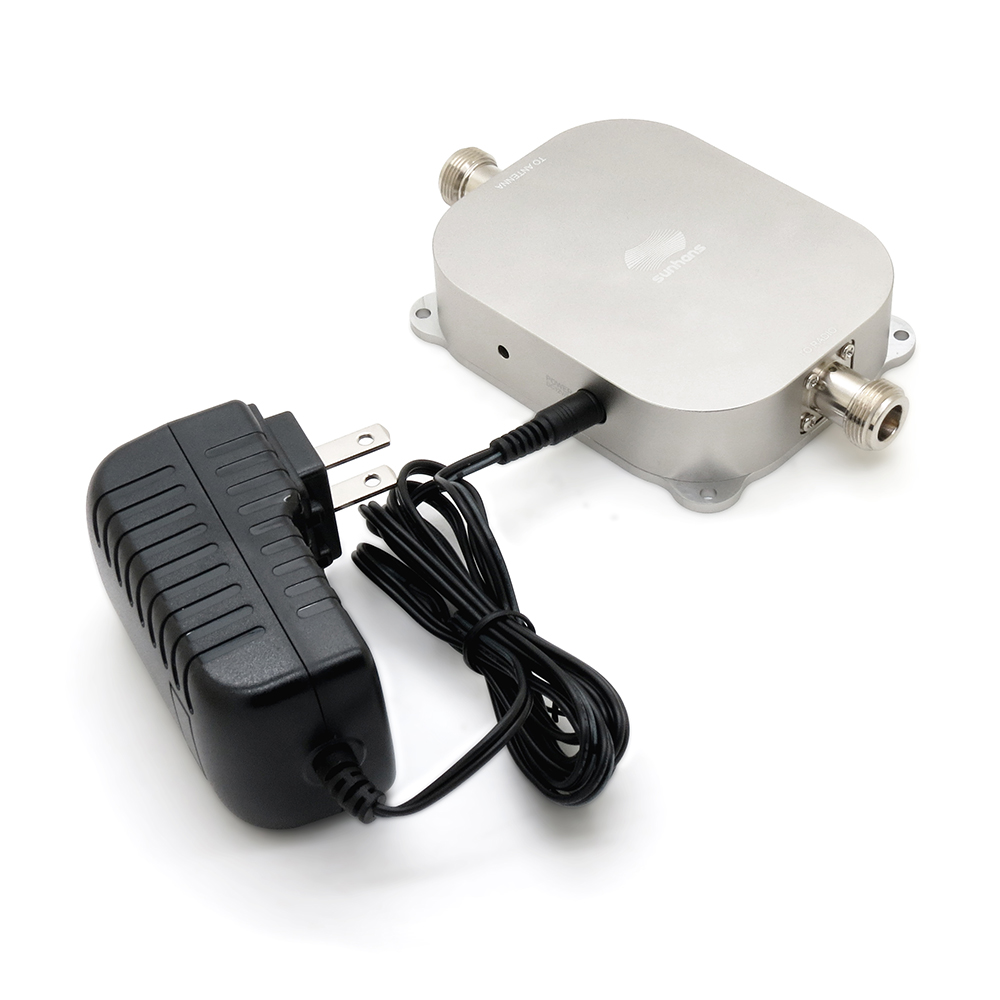
A multi-frequency annunciator is no longer an optional luxury for high-end devices. It has become a fundamental requirement for the reliable Internet of Things. By allowing devices to navigate the complex radio landscape, we ensure a more connected world. Manufacturers who prioritize these strategies will lead the market in the coming years. Whether you are building a smart home or a global tracking system, signal stability is your top priority.