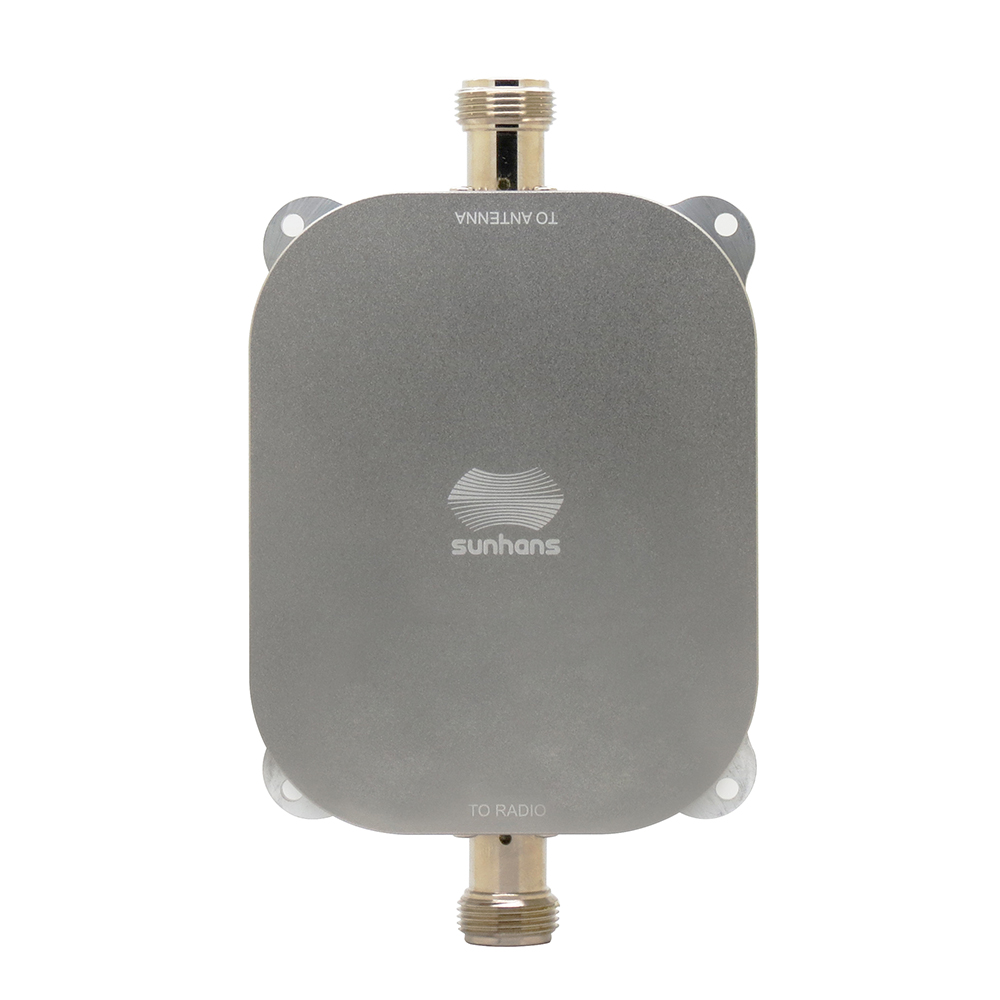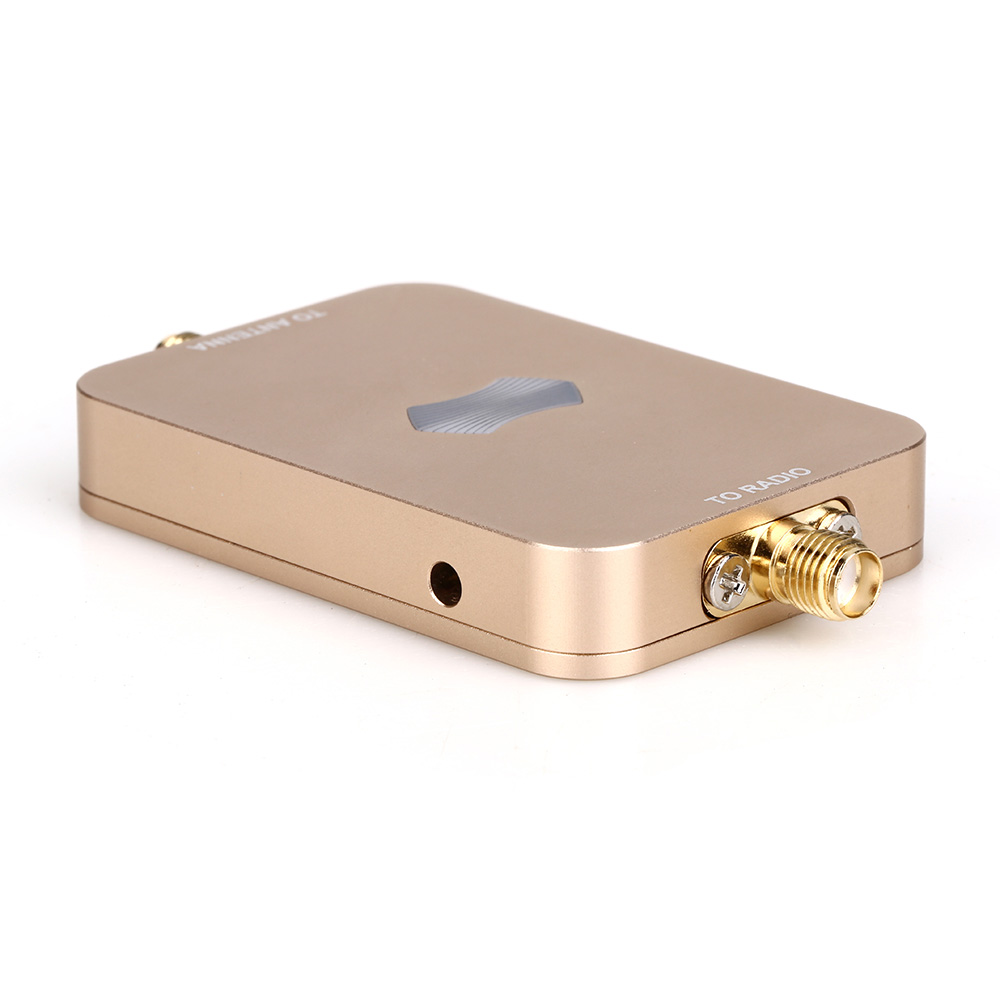
Establishing stable wireless communication inside a thick forest presents massive technical challenges today. Field researchers, search teams, and drone pilots face constant connectivity issues under dense tree covers. The thick layers of wet leaves, branches, and heavy trunks act as a massive physical shield. This organic barrier blocks, absorbs, and scatters standard radio frequencies relentlessly.
Fortunately, advanced field communication systems offer a highly reliable technical answer. Deploying a high-power 2.4GHz/5.8GHz signal amplifier helps field teams bridge these tough environmental gaps safely. This dual-band hardware boosts transmission power while balancing different frequency strengths dynamically.
This comprehensive guide examines how dual-band signal boosters conquer extreme woodland path loss. We will analyze the physics of foliage attenuation, safety limits, and practical field setup tips.

The Physics of Wireless Signal Attenuation in Forestry
To understand this solution, you must first examine how trees interact with radio waves. Foliage causes a severe drop in wireless signal strength, which engineers call path loss. Wet leaves are particularly problematic because water absorbs high-frequency microwave energy instantly.
Furthermore, different wireless frequencies behave differently when striking dense forest canopies. A 5.8GHz signal offers incredible data speeds for video streaming. However, its short wavelength reflects off small leaves easily, causing massive signal dropouts over short distances.
[2.4GHz Frequency] ---> Longer Wavelength ---> Bends Around Large Trunks & Branches
[5.8GHz Frequency] —> Shorter Wavelength —> Bounces Off Small Wet Leaves Quickly |
Conversely, the 2.4GHz frequency utilizes a much longer physical wavelength. This characteristic allows the radio wave to bend around heavy tree trunks via diffraction. By running a dual-band system, you utilize both distinct transmission advantages simultaneously.
How a 2.4GHz/5.8GHz Signal Amplifier Solves Path Loss
An industrial-grade booster does not simply make a signal louder. It optimizes the entire communication link between your ground station and remote assets.
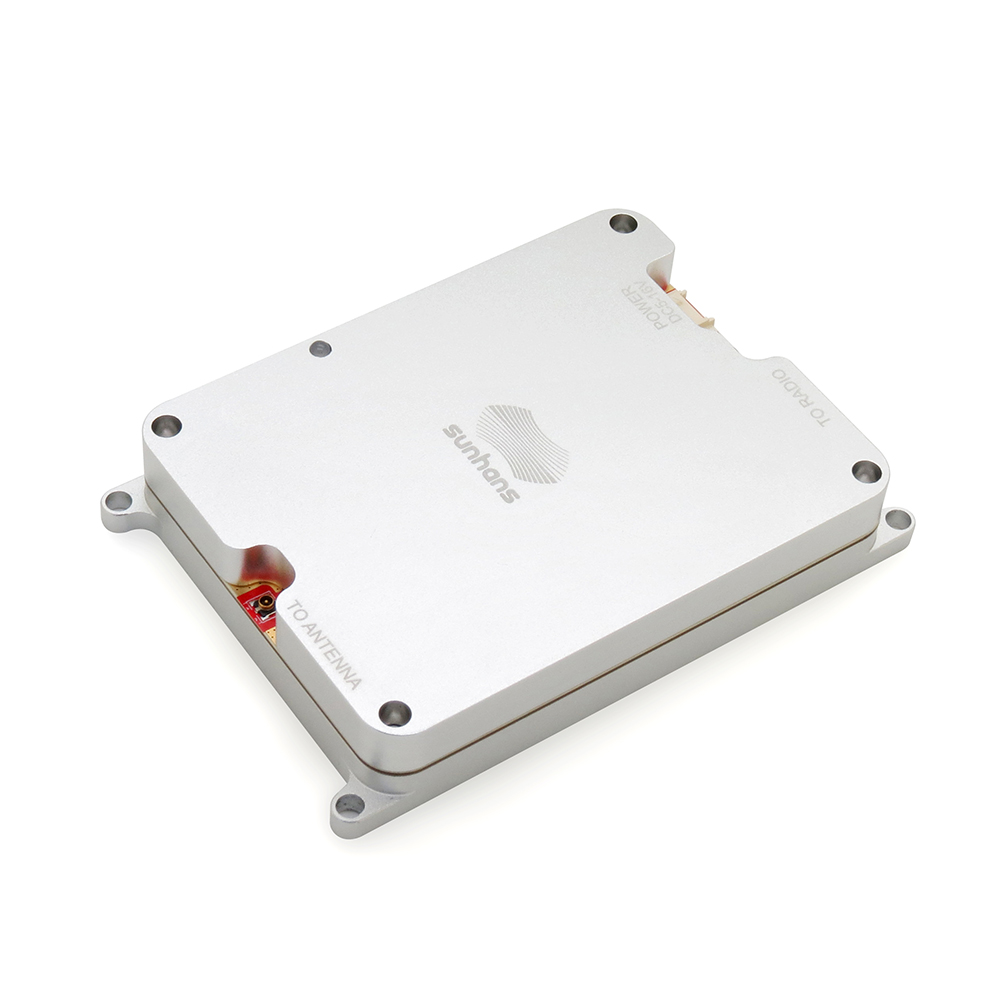
A quality 2.4GHz/5.8GHz signal amplifier features a smart, two-way bi-directional design. The transmitter side amplifies your outgoing command signals cleanly. Concurrently, the low-noise receiving amplifier boosts weak incoming telemetry data from your remote devices. This balanced approach maintains a symmetrical connection across deep valley zones.
-
Automatic Gain Control: Prevents the hardware from overloading nearby receivers accidentally.
-
Active Heat Dissipation: Keeps the internal RF circuits cool during hot summer field missions.
-
Weatherproof Enclosure: Protects delicate electronic circuit boards from morning dew and sudden downpours.
-
Low Noise Figure: Ensures the booster amplifies true data signals, not random background noise.
Choosing the Right Antenna Type for Tree Coverage
Pairing your amplifier with a high-gain omnidirectional antenna improves your field coverage area significantly. Omnidirectional models distribute radio energy evenly across a flat horizontal plane. Learn more about selecting durable outdoor transceiver hardware to maximize your remote wilderness communication range.
Balancing Range and Speed: Dual-Band Functionality
Modern remote operations demand both long-range telemetry links and high-bandwidth live video feeds. Meeting these dual requirements inside a thick forest requires shifting frequencies on the fly.
A dual-band system allows your equipment to toggle channels based on current signal degradation. When traveling deep behind a ridge, the hardware routes vital telemetry through the robust 2.4GHz band. If the asset climbs higher, it reactivates the 5.8GHz band for crystal-clear 4K video feeds.
[Ground Station] ===> [Dual-Band Booster] ---> 2.4GHz (Telemetry) ---> [Deep Forest Asset]
—> 5.8GHz (4K Video) —> [High Altitude Asset] |
This smart frequency shifting prevents sudden, catastrophic control losses during critical survey tasks. It allows field crews to gather rich data without sacrificing vehicle tracking safety. Read our expert field guide on avoiding drone signal attenuation in forestry to secure your gear.

4 Steps to Configure Forest Wireless Boosters Safely
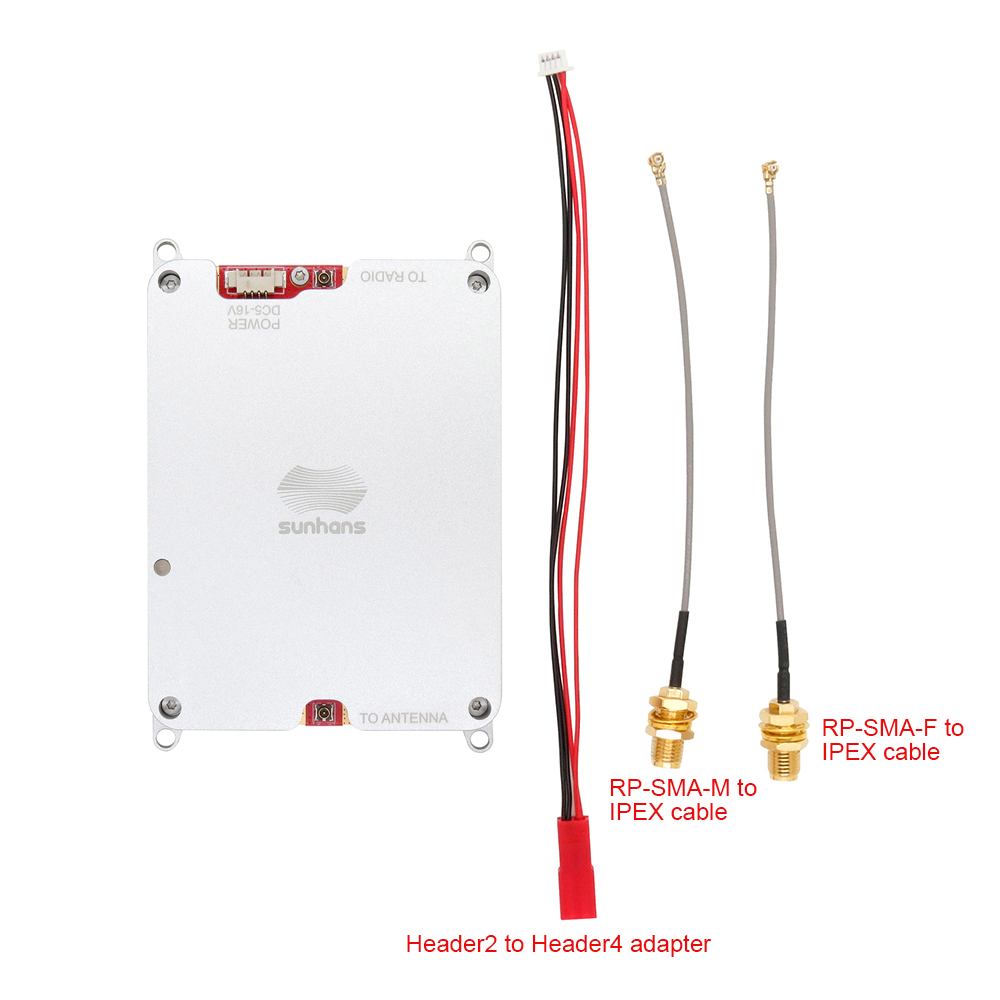
Operating high-power RF hardware in public wilderness areas requires strict adherence to technical parameters.
Practical Applications for Forested Signal Boosting
Overcoming foliage interference unlocks new operational capabilities across several major outdoor industries.
Advanced Agricultural Drone Mapping
Orchard managers use autonomous drones to monitor crop health across vast agricultural zones. A dual-band booster ensures the aircraft stays connected while flying below the dense tree canopy line. This constant link allows for real-time multispectral data collection without data loss.
Emergency Search and Rescue Coordination
Search teams often operate in deep, heavily wooded valleys without cellular network coverage. Portable dual-band amplifiers turn standard field vehicles into powerful localized communication hubs. This setup allows searchers to coordinate movements and share topo maps across miles of thick wilderness.
Safe Operation: Protecting Wildlife and Hardware
Powering up wireless transmitters in pristine nature requires serious environmental responsibility.
Modern amplifiers utilize advanced shielding to eliminate stray electromagnetic interference entirely. This clean filtering ensures your hardware does not disrupt local wildlife tracking sensors or park ranger frequencies.
Furthermore, smart power management systems lower power draw when assets are close to the base station. This automated power scaling prevents battery drainage, allowing your field team to operate longer away from the power grid. It keeps your field gear running efficiently during long multi-day assignments.
Conclusion
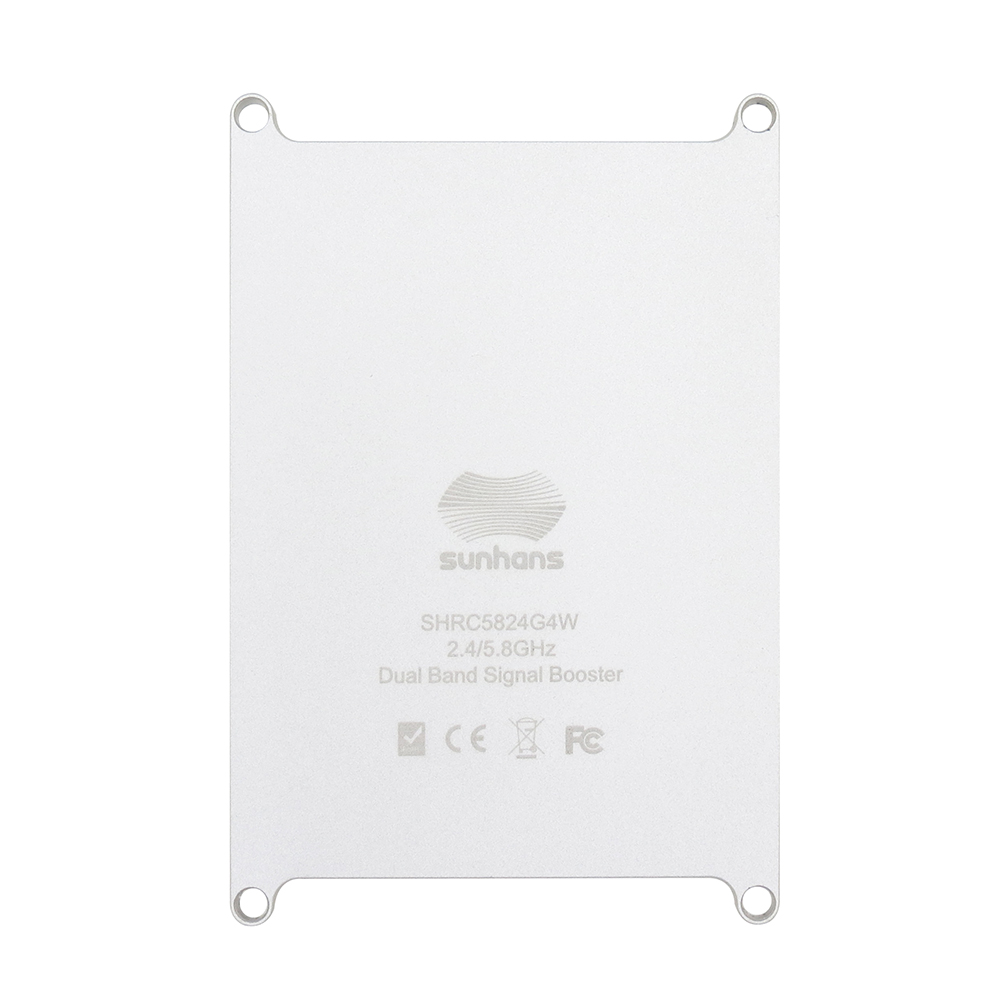
Can a 2.4GHz/5.8GHz signal amplifier penetrate dense forest canopies safely? Yes, it is the most effective way to beat foliage path loss today.
By combining the raw penetrating power of 2.4GHz with the massive data speeds of 5.8GHz, it delivers unmatched field flexibility. Mount your antenna high, use premium low-loss cables, and monitor your local power output limits carefully. By following these basic rules, your team will maintain a secure, crystal-clear link through the toughest woodland terrains on earth.