Active Signal Amplification Erases Control Latency and Prevents Costly Flyaways
Deploying a dedicated hardware drone signal loss solution represents the single most effective way to protect your aircraft today. Indeed, relying on weak factory controller antennas inside dense urban radio environments allows background interference to hijack your command link.
Securing a stable, heavy-duty link ensures your aircraft maintains absolute responsiveness during critical long-range commercial flight operations. Consequently, this premium hardware upgrade eliminates dangerous video screen blackouts, removes control latency, and prevents catastrophic drone crashes.
Therefore, upgrading your ground station transmitter with a high-power amplifier is your smartest operational move this season. Relying on unamplified stock equipment simply risks your expensive payloads, leaving your aerial photography business completely vulnerable.
This inverted telemetry report details our command link stabilization conclusions first, then explores underlying microwave radio communications. We will examine signal attenuation variables, active amplification electronics, and the hardware engineering of specialized military-grade transmitter boosters below.

The Invisible Threat: Understanding Why Commercial RC Links Fail in the Field
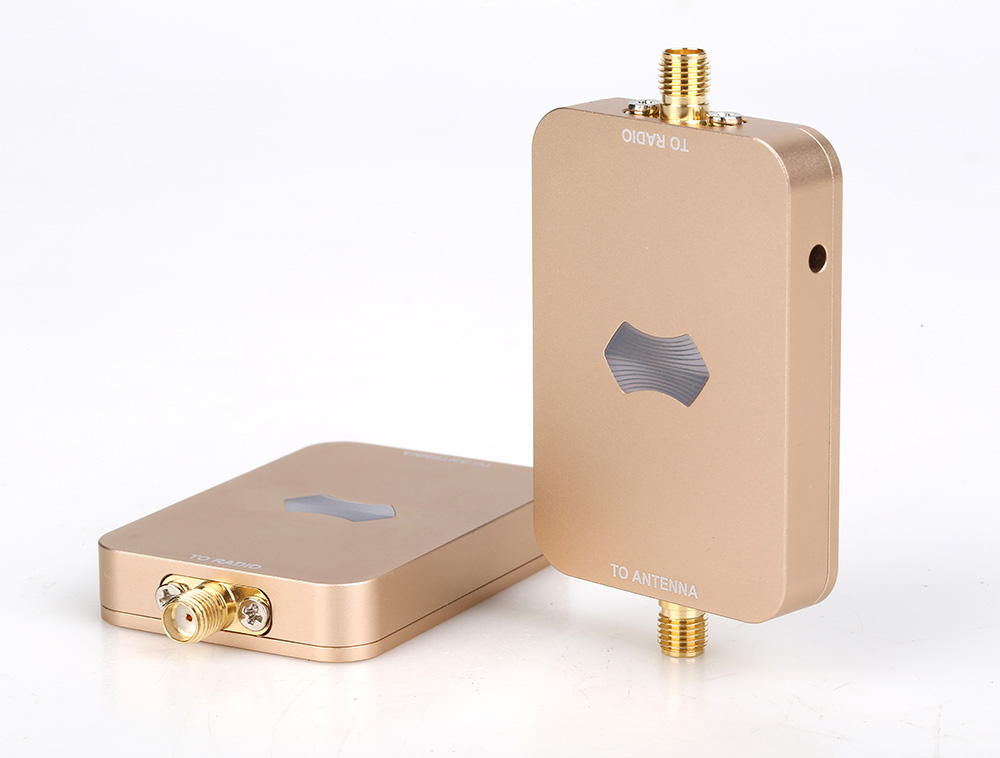
Every experienced drone pilot remembers the sudden chest-tightening panic of a freezing live video transmission screen. Your drone is flying thousands of feet away, but your control bars suddenly drop down to zero.
When your radio link drops out unexpectedly during a commercial survey, your automated return-to-home programming takes over immediately. However, relying purely on automated software backups introduces severe risks if physical obstacles block your direct flight path.
Standard stock drone controllers operate on crowded public frequencies, competing directly against thousands of local household Wi-Fi routers. This massive ambient radio noise floor chokes your factory transmitter signal, causing severe control latency or total disconnections.
Furthermore, thick concrete buildings and dense wet tree canopies absorb microwave radio energy with incredible efficiency. Your transmitter waves weaken rapidly over distance, making extended visual line-of-sight operations highly unpredictable without active amplification.
Overcoming Interference via a High Power 2.4GHz Drone Amplifier
Eliminating erratic signal behavior requires shifting away from passive plastic antenna slip-ons that simply directionalize weak factory waves. True command link reliability requires deploying an active, hardware-driven drone signal loss solution directly at your ground station.
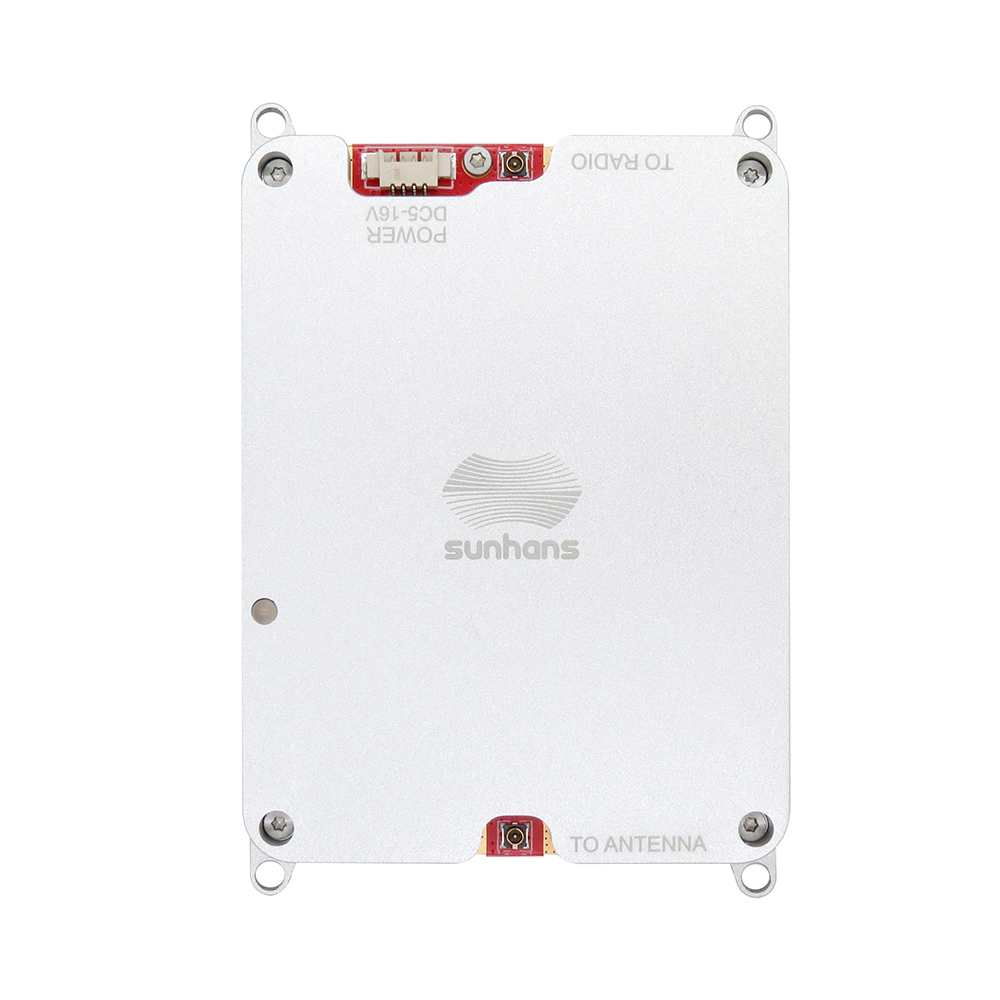
Integrating a premium high power 2.4GHz drone amplifier solves your transmission range limitations by boosting your broadcast power. This active system takes the weak radio signal from your remote controller and amplifies its output transmission strength.
The increased broadcasting power allows your command stream to pierce through heavy ambient magnetic fields easily. As a direct result, your remote connection remains rock-solid, even when operating your aircraft behind thick structural barriers.
You gain flawless control responses across extended working distances, allowing your team to complete missions without interruption. This hardware upgrade transforms your basic controller into a commercial-grade broadcasting station, maximizing your daily operational safety.
Securing Ultra-Compact Portability via a Professional Drone Range Booster
Commercial drone operators frequently hike deep into remote wilderness areas to map rugged terrain or inspect utility infrastructure. Carrying heavy, bulky power equipment up steep mountain trails drains your physical stamina and complicates field logistics.
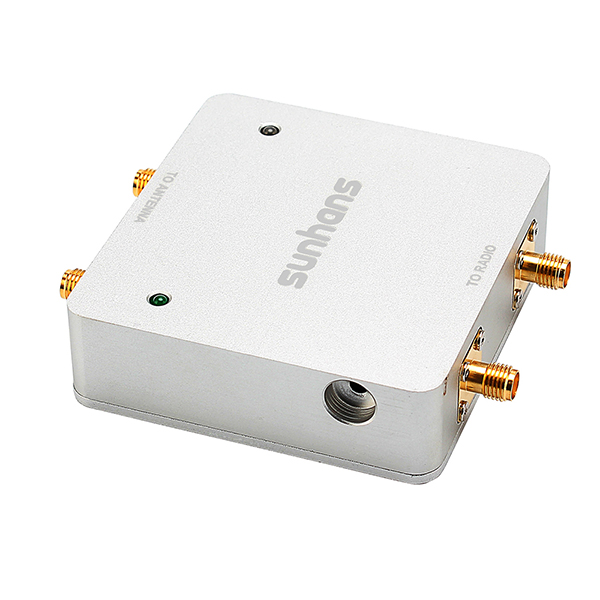
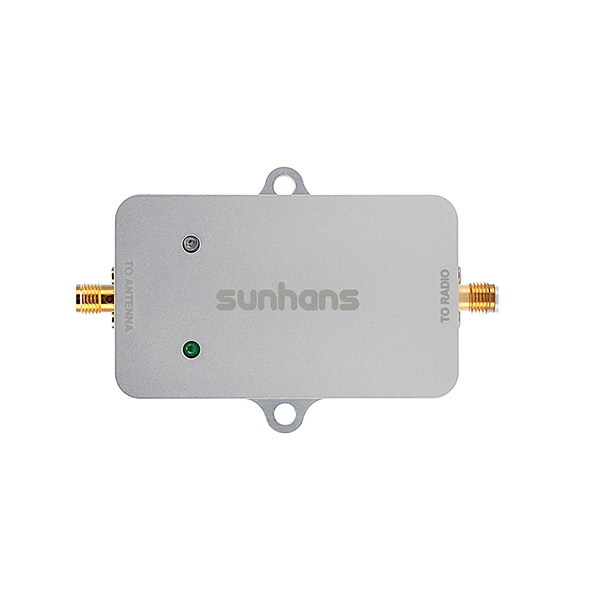
Choosing a masterfully engineered professional drone range booster ensures your field gear setup remains highly portable and lightweight. Modern premium amplifiers utilize an ultra-compact drone signal amplifier layout that balances high power with minimal physical bulk.
-
Featherlight Physical Footprint: Ensuring your handheld remote controller remains comfortable during long flights.
-
Microscopic Exterior Dimensions: Clipping seamlessly onto your existing mobile device mounts.
-
Premium CNC Aluminum Housing: Provides excellent structural rigidity while acting as an effective cooling heatsink during operation.
-
Low-Profile Aesthetic Integration: Matches premium controllers perfectly, maintaining a clean, professional appearance for your clients.
Maximizing Flight Windows with Optimized Power Management
Achieving long operational hours requires utilizing electrical components that minimize the power drain on your controller batteries. Learn more about configuring portable battery inputs to sustain high-power transmission runs without draining your ground station electronics mid-flight.

Erasing Operational Downtime with Military-Grade Component Durability
Operating industrial drone fleets in unpredictable outdoor environments exposes your sensitive electronic gear to extreme weather challenges. Coastal search missions subject your equipment to intense humidity, while winter inspection flights introduce freezing ambient temperatures.
Deploying hardware built with true military-grade durability shields your investment from sudden, environment-induced electronic failure patterns in the field. These premium amplifier housings utilize CNC cast aluminum enclosures that provide excellent electromagnetic interference (EMI) shielding profiles.
| Environmental Metric | Factory Stock Controller Limits | Premium Military-Grade Booster Specs |
| Operating Temperature Range | 0°C to +40°C (Overheats Easily) | -20°C to +70°C (Extreme Thermal Stability) |
| Ingress Protection Rating | IP4X (Vulnerable to Rain Drops) | IP67 Rated (Complete Dust & Water Seal) |
| Relative Humidity Resistance | 50% Maximum Non-Condensing | 75% Active Operational Resistance |
| Maximum Broadcast Output | 100mW Standard Regional Limit | 3000mW (35dBm) High-Power Output |
Simplifying Fleet Deployment via Universal Compatibility & Plug-and-Play Setup
Managing a diverse commercial drone fleet requires selecting accessory hardware that integrates smoothly across multiple distinct aircraft brands. Buying separate, specialized signal equipment for every unique drone model in your hangar destroys your hardware budget.
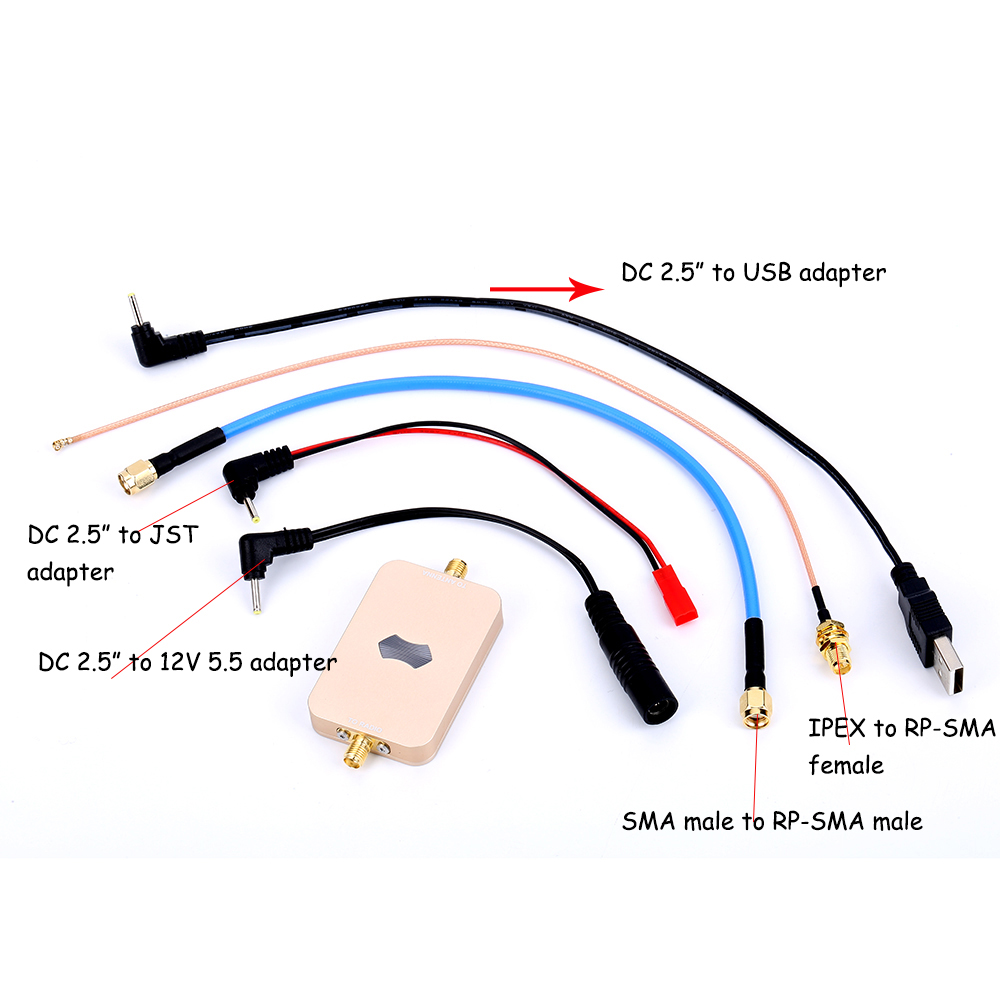
Fortunately, choosing an advanced long range drone antenna upgrade platform delivers universal compatibility across your entire enterprise lineup. These adaptable booster units incorporate standard SMA and RP-SMA hardware connector options directly into their metal frames.
The internal power regulation circuits support a wide 5–16V DC input voltage range with absolute stability. This wide electrical tolerance allows you to power the booster using standard drone batteries or simple external power banks.
Your flight crew connects the module to DJI, Yuneec, XIRO, 3DR, or Parrot systems within a few seconds. The entire integration requires zero custom software flashing or complex firmware calibration updates before you head down the runway.
Dominating Industrial Survey Missions through Enhanced FPV Performance
Executing high-precision mapping runs along heavy industrial power grids requires maintaining a perfectly stable first-person view (FPV) stream. If your live video feed stutters for even a second, your camera operator can miss critical structural defects.
Our high-power booster incorporates a 3.5dB ultra-low noise receiver circuit to clean up incoming video signals instantly. This electronic filtration provides an unshakeable connection link, helping you prevent rc drone flyaway events during complex operations.
The typical installation topology remains incredibly straightforward for your field crews to replicate across any ground station setup:
This clean signal pathway complies fully with international CE, FCC, and RoHS safety manufacturing testing standards. Your organization deploys advanced wireless hardware safely, keeping your flight operations fully aligned with global regulatory rules.
The Strategic Financial Return of Sourcing Premium Signal Amplifiers
Investing in professional-grade wireless signal boosters delivers immense long-term financial advantages for expanding commercial drone service providers. Successful operations directors look past upfront equipment prices to calculate total asset protection savings across fiscal years.
First, pristine signal strength reduces your hull damage insurance claims down to absolute zero across tough industrial job sites. When your pilots maintain perfect control clarity, they avoid expensive collisions with overhead cranes and steel utility towers. This safety protects your operating margins.
Second, expanding your reliable working radius allows your teams to map larger geographic sectors from a single launch location. You eliminate the high labor expenses of constantly packing up gear and relocating crews to multiple mid-mission launch zones. Your advanced signal booster ceases to be a simple accessory expense and becomes the core engine of your growth.

How Active Amplification Secured Industrial Airspace
Looking back across our deep radio frequency engineering analysis, the empirical flight data proves active boosters are completely mandatory. Moving away from stock, unamplified remote controllers removes the signal dropouts and control latency that threaten commercial flight missions.
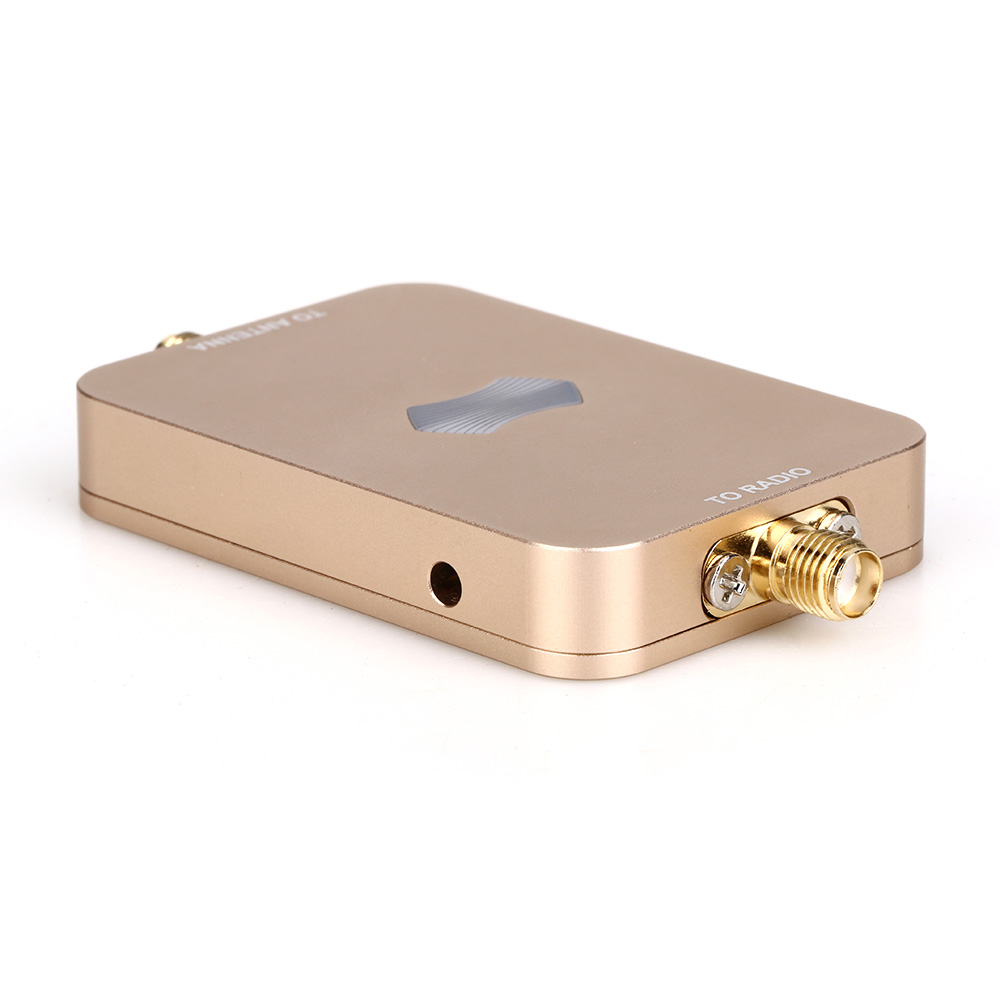
By placing an elite 3000mW booster at the center of your ground station, you take total command of your airspace. Relying on a verified drone signal loss solution ensures your aircraft streams crystal-clear video data back to your crew safely. Invest in professional-grade active signal amplification networks today to protect your payload inventory, satisfy your commercial clients, and dominate your market.