The Bottom Line: Pure Power and Targeted Focus
Executive Summary: Yes, a 5.8G UAV signal booster is the ultimate tool to prevent drone signal loss. It works by amplifying weak control signals and filtering out background radio noise. Consequently, your drone maintains a rock-solid connection even in congested environments.
As airspace gets more crowded, signal drops pose a serious risk to expensive commercial operations. This technology ensures your command signals pierce through heavy interference. Read on to discover how these compact devices keep your aircraft safely connected.
The Current Airspace Crisis: Why Signals Fail in 2026
The commercial drone industry is exploding. Recently, the Pentagon began receiving thousands of small tactical drones under its new “Drone Dominance” push. At the same time, the Federal Communications Commission (FCC) issued strict rules limiting foreign-made drone components.
These massive industrial shifts have created a huge demand for secure, high-performing domestic communication. However, with more drones in the sky, spectrum congestion is at an all-time high.
Most consumer and commercial drones rely heavily on the 5.8 GHz frequency band. While this band offers fast data transmission, it struggles to penetrate physical obstacles. This is where a dedicated booster becomes absolutely vital for safe flight.

How a 5.8G UAV Signal Booster Actually Works
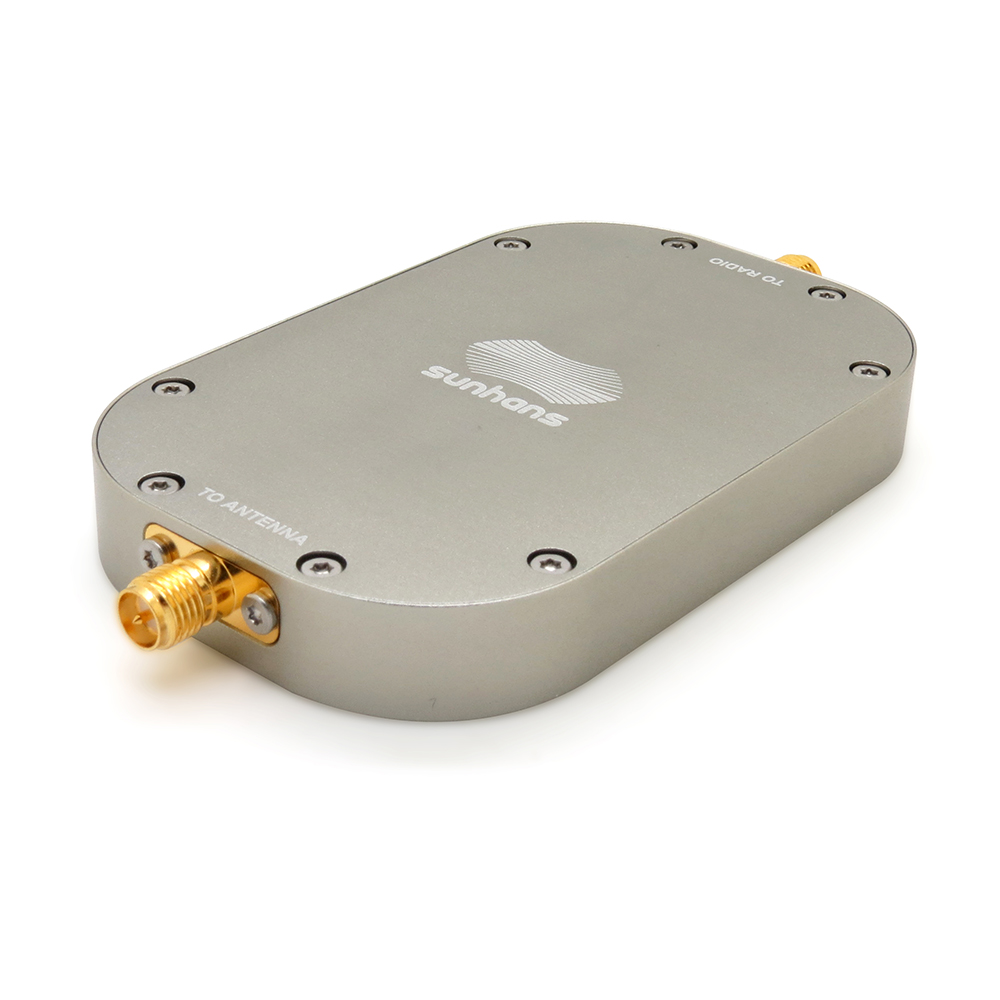
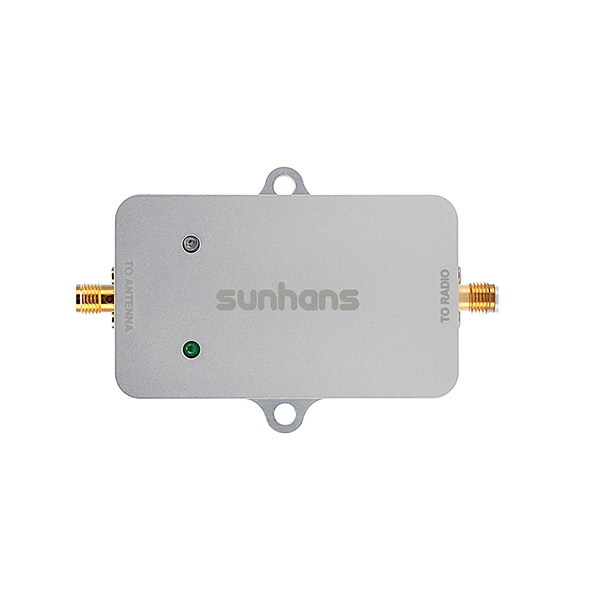
You do not need to be an RF engineer to understand signal amplification. Essentially, a booster acts like a megaphone for your drone’s remote controller.
Active Signal Amplification
A standard drone controller transmits at a legal power limit. When you attach an active booster, it takes that weak signal. Next, the internal circuitry amplifies the signal power safely. It then sends a much stronger wave through a specialized high gain drone antenna.
Bi-Directional Communication
Crucially, drone flight requires two-way talking. The controller sends commands. Simultaneously, the drone sends back live HD video. A quality 5.8G UAV signal booster uses a low-noise amplifier (LNA). The LNA boosts the weak video incoming signal without adding static.
Case Study: Rescue Ops in the Rocky Mountains
To see this tech in action, look at a recent search and rescue mission in Colorado. A volunteer team needed to map a deep, heavily forested ravine. Initially, their standard mapping drone lost connection at just 800 meters. Dense pine trees and granite cliffs blocked the 5.8G signal. The video feed lagged heavily.
The team quickly attached a portable, battery-powered 5.8G booster to their ground station. Instantly, the connection stabilized. The drone successfully mapped the entire 3-kilometer ravine without a single video drop. This practical case proves that a booster turns a risky flight into a safe, predictable mission.
Essential Features of an Effective Booster
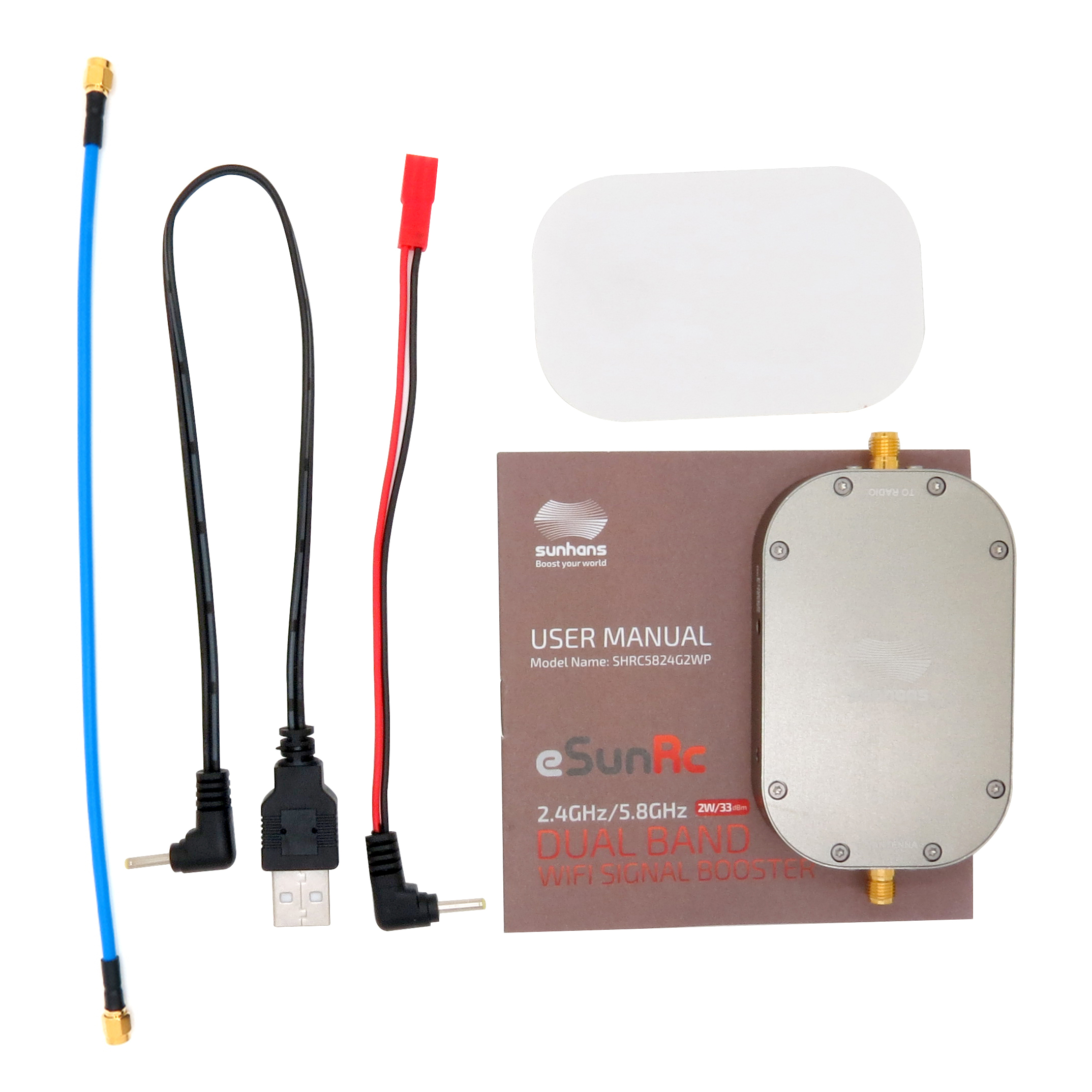
If you want to buy a booster, look for these three critical specifications.
-
Automatic Gain Control (AGC): This feature adjusts power dynamically based on drone distance.
-
Linear Amplification: It prevents signal distortion, keeping your video feed crystal clear.
-
Dual-Band Compatibility: High-end models boost both 2.4 GHz and 5.8 GHz frequencies simultaneously.
By choosing these features, you ensure your equipment adapts to any interference level.
Best Practices to Maximize Your Signal Range
Simply buying hardware is not enough. You must use it correctly to get the best results.
Maintain Perfect Line of Sight
Radio waves at 5.8 GHz travel in straight lines. Therefore, always point your booster antennas directly at the drone. Avoid placing large metal structures or concrete buildings between you and the aircraft.
Monitor Your Local RF Noise Floor
Urban areas are packed with Wi-Fi routers. These devices broadcast on the exact same 5.8 GHz frequency. If you fly in cities, use a spectrum analyzer app to find clean channels before launching.
The Final Verdict
Signal drops are the leading cause of drone crashes and lost flyaways. Fortunately, a high-quality booster solves this problem. By cleanly amplifying your signal, you protect your aerial investments. Do not wait for a costly crash to upgrade your connection.

FAQ:
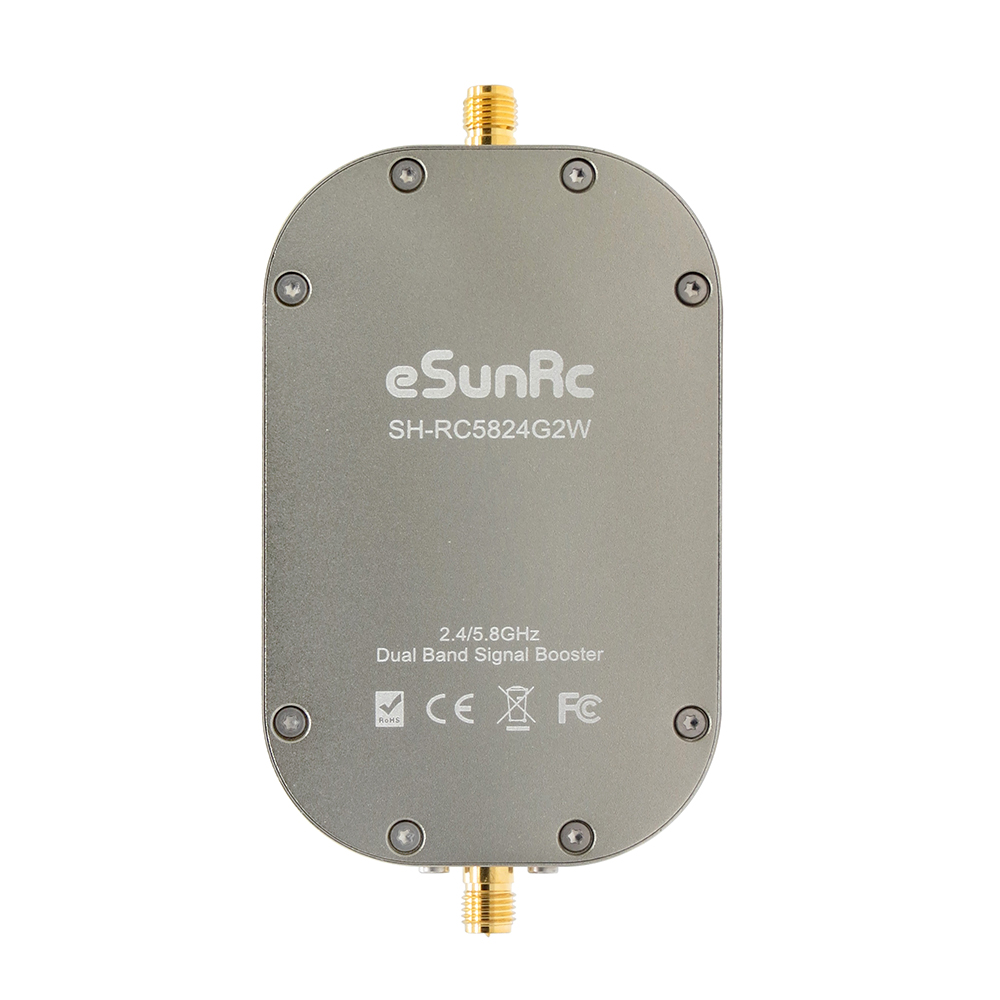
Are UAV signal boosters legal to use?
Yes, but you must check local telecom regulations. Some countries require specific radio operator licenses for high-power output.
Does a booster drain my controller battery faster?
Most premium boosters use their own internal rechargeable batteries. Consequently, they do not drain your main controller.
Can I use a 5.8G booster on a 2.4G system?
No, radio frequencies must match exactly. Running a 5.8G booster on a 2.4G signal will damage your equipment.