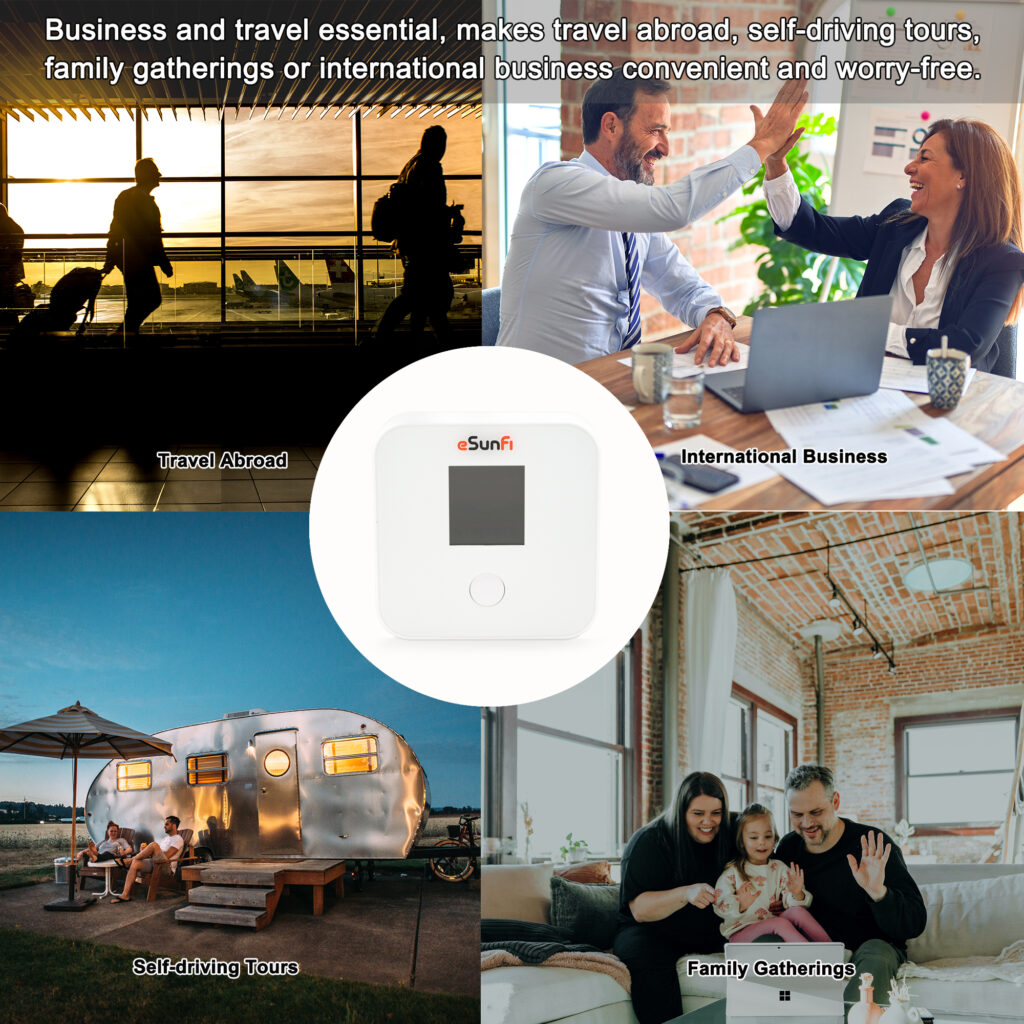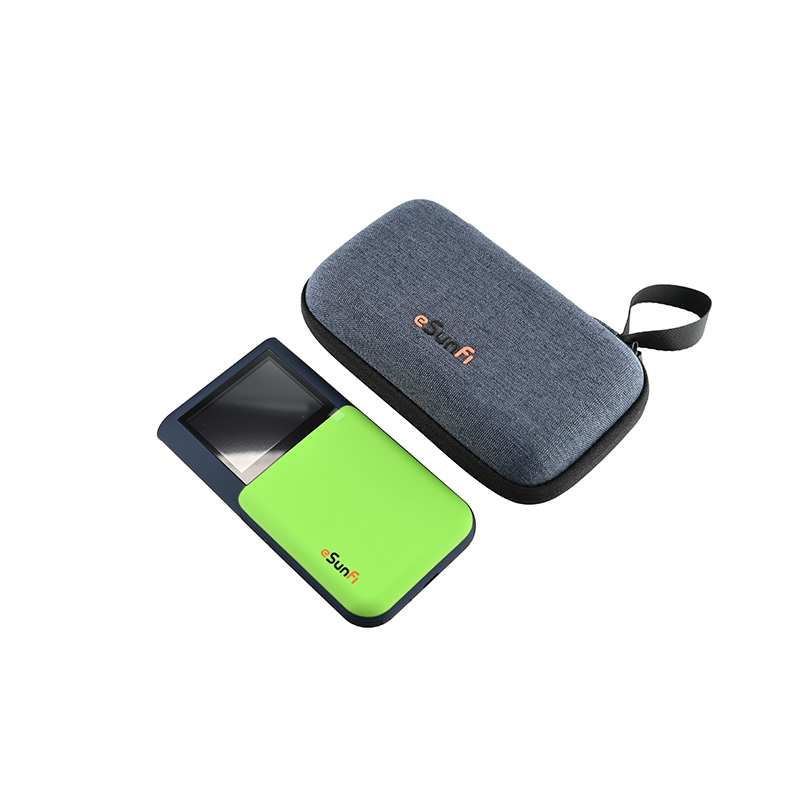
Modern travelers no longer want to disconnect completely. We want to share our mountain views instantly. Many people now work remotely from their campers. However, finding a reliable signal in the woods is difficult. Trees and valleys often block weak cellular waves. This is where a 5G mobile hotspot device becomes essential.
As a professional signal hardware manufacturer, we understand the physics of connectivity. A stable connection requires more than just a data plan. It needs the right hardware to capture and hold a signal. In this guide, we explore how to maintain high-speed internet. We will show you how to conquer dead zones on your next trip.
The Physics of 5G Signals in the Wilderness
5G technology offers incredible speeds but faces unique challenges. High-frequency waves do not travel well through solid objects.
Frequency Penetration and Obstacles
Most 5G bands struggle with dense forest canopies. Thick leaves and branches absorb the delicate radio waves. Consequently, your phone might show “No Service” in a deep valley. A dedicated 5G mobile hotspot device often has better internal antennas. It can “grab” weak signals that a standard smartphone misses. This hardware difference is the first step toward stability.
The Role of External Antenna Ports
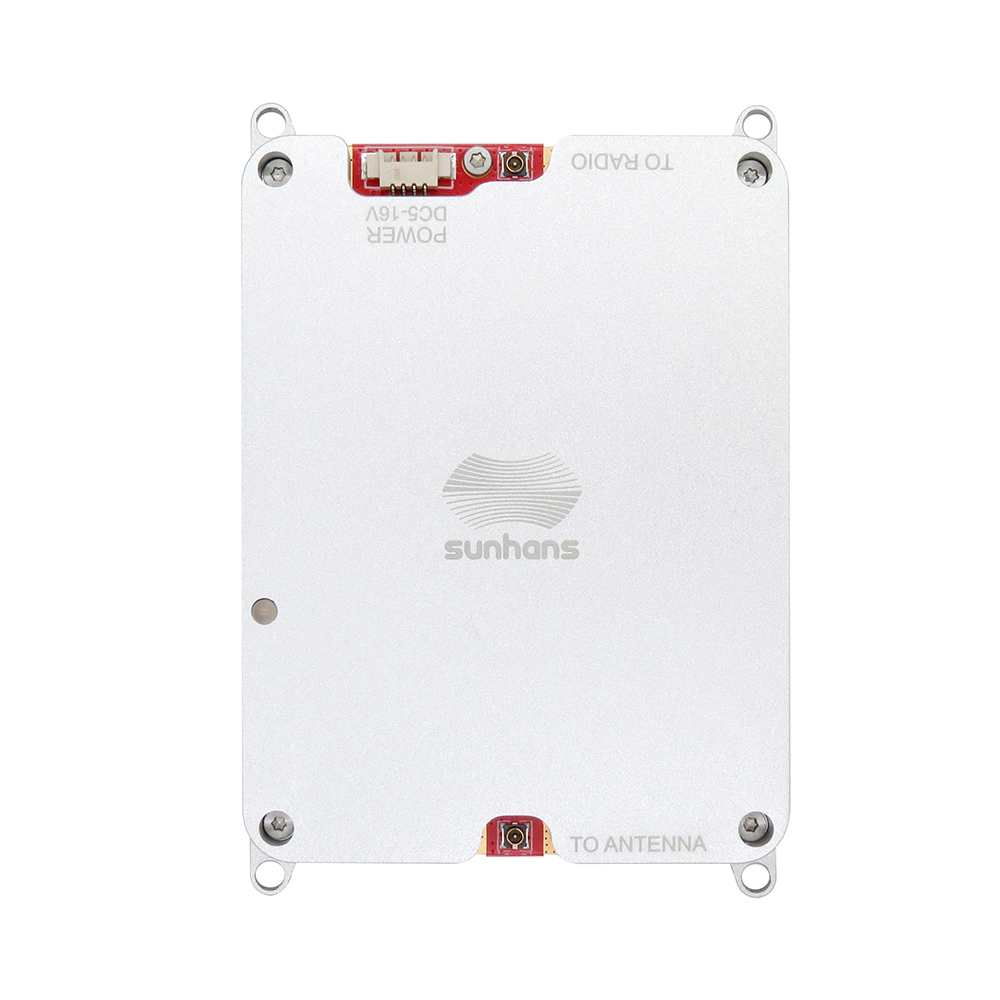
Professional hotspot devices often feature TS-9 or SMA ports. These ports allow you to connect high-gain external antennas. You can mount these antennas on the roof of your RV. This clears the “metal cage” effect of the vehicle body. Raising the antenna just a few feet can double your signal strength. It bypasses ground-level interference and reaches distant towers.

Why a Dedicated Hotspot Beats Phone Tethering
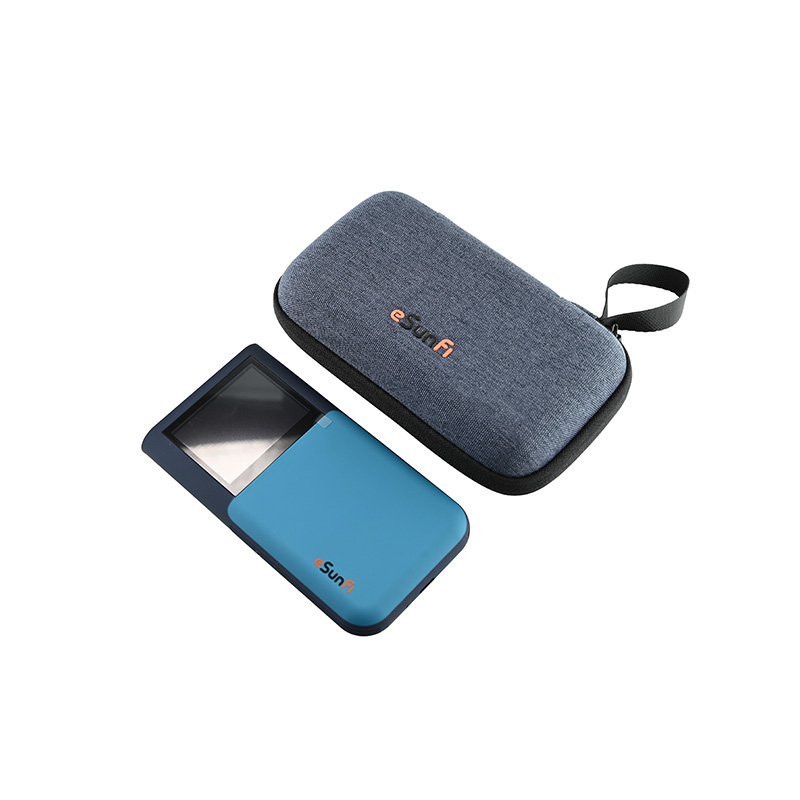
Many travelers try to use their phones as a bridge. However, this often leads to a frustrating experience.
-
Superior Thermal Management: Hotspots handle the heat of constant data flow.
-
Higher Category Modems: They support more “MIMO” streams for faster speeds.
-
Better Battery Life: Dedicated devices do not drain your primary phone.
-
Increased Device Capacity: Connect laptops, tablets, and smart TVs at once.
Avoiding the “Throttling” Trap
Mobile carriers often limit tethering data on phone plans. Once you hit the limit, your speed drops to a crawl. A 5G mobile hotspot device typically uses a dedicated data plan. These plans provide much higher “priority” data for your heavy tasks. This ensures your Zoom calls stay clear during your remote workday.
[Discover our latest stable RV internet solutions for long-term travelers.]
Strategic Placement: Finding the “Sweet Spot”
Positioning your device correctly is a game-changer for speed. You must treat your hotspot like a radio receiver.
Avoiding Signal Interference
Do not hide your hotspot inside a metal cabinet. Metal reflects radio waves and creates internal dead zones. Instead, place it near a window facing the nearest tower. High shelves are generally better than low tables. This gives the 5G mobile hotspot device a clearer line of sight. Small changes in position can lead to 20% faster speeds.
Dealing with Signal “Noise”
Electronic devices like microwaves can interfere with 2.4GHz WiFi. Use the 5GHz WiFi setting on your hotspot for local connections. This frequency is much faster and less crowded in campgrounds. It provides a “cleaner” path from the hotspot to your laptop. This reduces latency during gaming or streaming sessions.

Boosting Power: When a Hotspot Needs Help
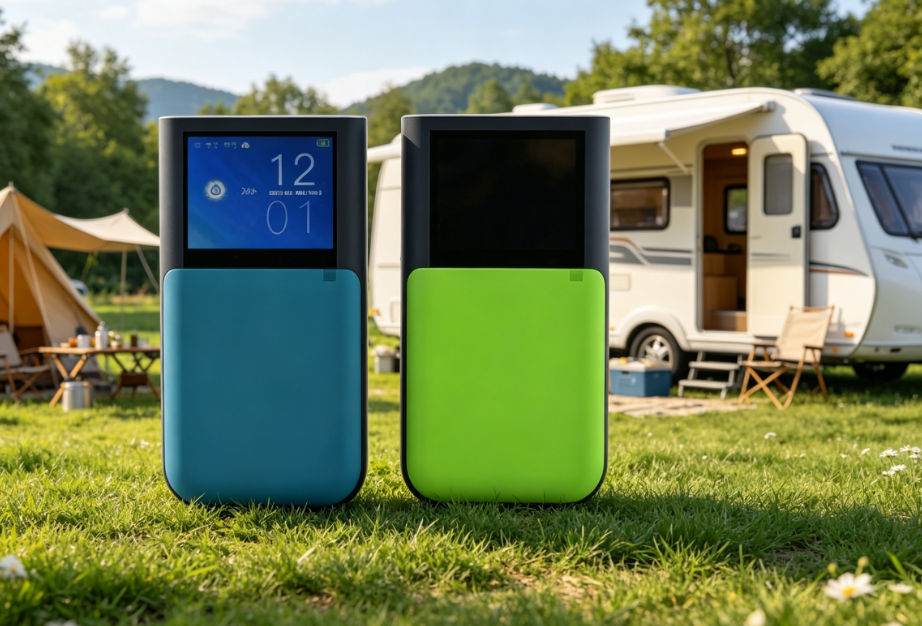
Sometimes, even the best 5G mobile hotspot device cannot find a signal. This usually happens in deep canyons or remote parks.
Integrating a Signal Booster
A cellular booster acts like a megaphone for your data. It takes a tiny, unusable signal and makes it strong. Then, your hotspot captures this “boosted” signal with ease. This combination is the ultimate setup for rural explorers. It ensures you stay online where others fail. We call this the “Hybrid Power” approach to camping.
The Importance of Carrier Aggregation
Modern 5G devices can connect to multiple bands at once. This is called carrier aggregation. If one frequency is weak, the device uses another. This “backup” system prevents sudden disconnections during your trip. It creates a smooth, stable experience across different terrains.
[Explore the best rural area signal boosters for off-grid living.]
【Working from a National Forest】
Let us look at a real-world test from May 2026. A digital nomad stayed in a remote park in Utah.
The “Single Device” Failure
Initially, the nomad used only a smartphone for work. The connection dropped every ten minutes due to weak signal. The data speed was only 2 Mbps. This made video calls impossible for the user.
The 5G Hotspot Solution
The nomad switched to a professional 5G mobile hotspot device. They added a magnetic-mount antenna to the RV roof. Suddenly, the signal jumped to “Excellent” on the dashboard. The download speed reached a stable 45 Mbps. They successfully completed five video meetings without a single glitch. This proves that the right hardware saves your workday.
Phone Tethering vs. Pro 5G Hotspot
| Feature | Smartphone Tethering | Professional 5G Hotspot |
| Antenna Gain | Low / Internal Only | High / External Options |
| Connection Stability | Medium (Prone to drops) | High (Dedicated Hardware) |
| Device Limit | 3 – 5 Devices | 20 – 32 Devices |
| Heat Control | Poor (Phone gets hot) | Active Cooling / Vents |
| Rural Performance | Weak | Strong / Reliable |

Take Your Office Anywhere
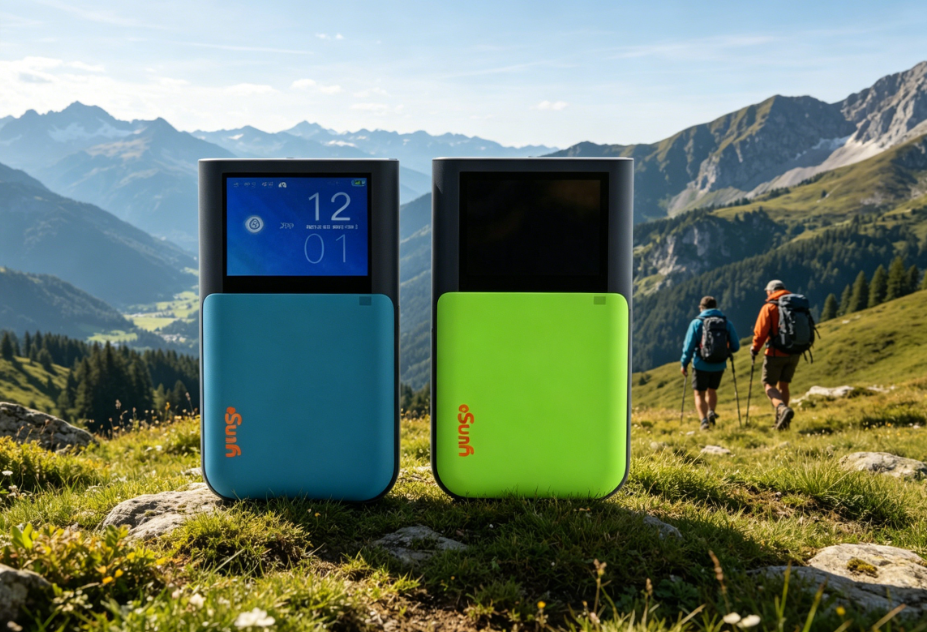
A successful RV trip requires preparation and the right gear. Do not let poor signal ruin your adventure. A 5G mobile hotspot device is a vital investment. It provides the stability and speed you need for modern life.
Combine your device with a roof antenna for the best results. Place it high and clear of metal objects. Choose a dedicated data plan to avoid annoying speed limits. With these steps, the world becomes your office and playground. Stay connected, stay productive, and enjoy the great outdoors. Your journey to perfect camping WiFi starts with a single device.