Living in a modern apartment often comes with a hidden frustration. You have a sleek home, but your internet signal is weak. Many users wonder if a 4G LTE portable wifi router can handle thick concrete walls. This is a vital question for remote workers and gamers alike.
Wall materials like brick, concrete, and metal reflect or absorb radio waves. This physical barrier often leads to dropped calls and slow speeds. However, modern technology offers clever ways to overcome these indoor obstacles. In this guide, we will explore how signal penetration works. We will also provide actionable tips for stable indoor connectivity.
The Science of Signal Penetration and Wall Materials
Every wireless signal loses energy as it passes through solid objects. This process is called “attenuation.” Different materials impact your 4G LTE portable wifi router in various ways.
Common Obstacles in Modern Apartments
-
Concrete and Brick: These are high-density materials. They significantly weaken 2.4GHz and 5GHz signals.
-
Metal Studs and Foil: These act like a shield. They reflect signals away from your devices.
-
Water and Glass: Large mirrors or fish tanks can distort waves easily.
Understanding these factors is the first step toward better internet. If you know what blocks the signal, you can move your router.

Why 4G LTE Frequencies Matter for Indoor Use
Not all wireless bands are equal. Your 4G LTE portable wifi router usually operates on specific frequency bands. Lower frequencies, such as 700MHz or 800MHz, excel at penetrating thick walls. Conversely, higher bands offer more speed but struggle with physical barriers.
The Advantage of Sub-1GHz Bands
Lower frequency bands travel further. They also bend around corners more effectively than high-frequency 5G signals. This makes a high-quality 4G router a reliable choice for older buildings. Many users find that 4G LTE remains stable where 5G often fails.
Dual-Band WiFi Features
Most portable routers offer both 2.4GHz and 5GHz WiFi. For thick walls, the 2.4GHz band is your best friend. It has a longer wavelength. Therefore, it passes through concrete much better than the faster 5GHz band.
Top Strategies for Stable Indoor Signal Strength
You do not have to accept slow speeds. You can optimize your setup for maximum performance. Follow these expert steps to boost your connectivity today.
1. The “Window First” Rule
Place your 4G LTE portable wifi router near a window. Glass is usually less dense than reinforced concrete. This allows the cellular signal to reach your device more easily. This simple move can often double your download speeds.
2. Height Is Your Best Friend
Avoid placing your router on the floor. Elevation helps the signal clear furniture and other small obstacles. Aim for a shelf that is at least five feet high. This creates a clearer “line of sight” for your WiFi.
3. Use External Antennas
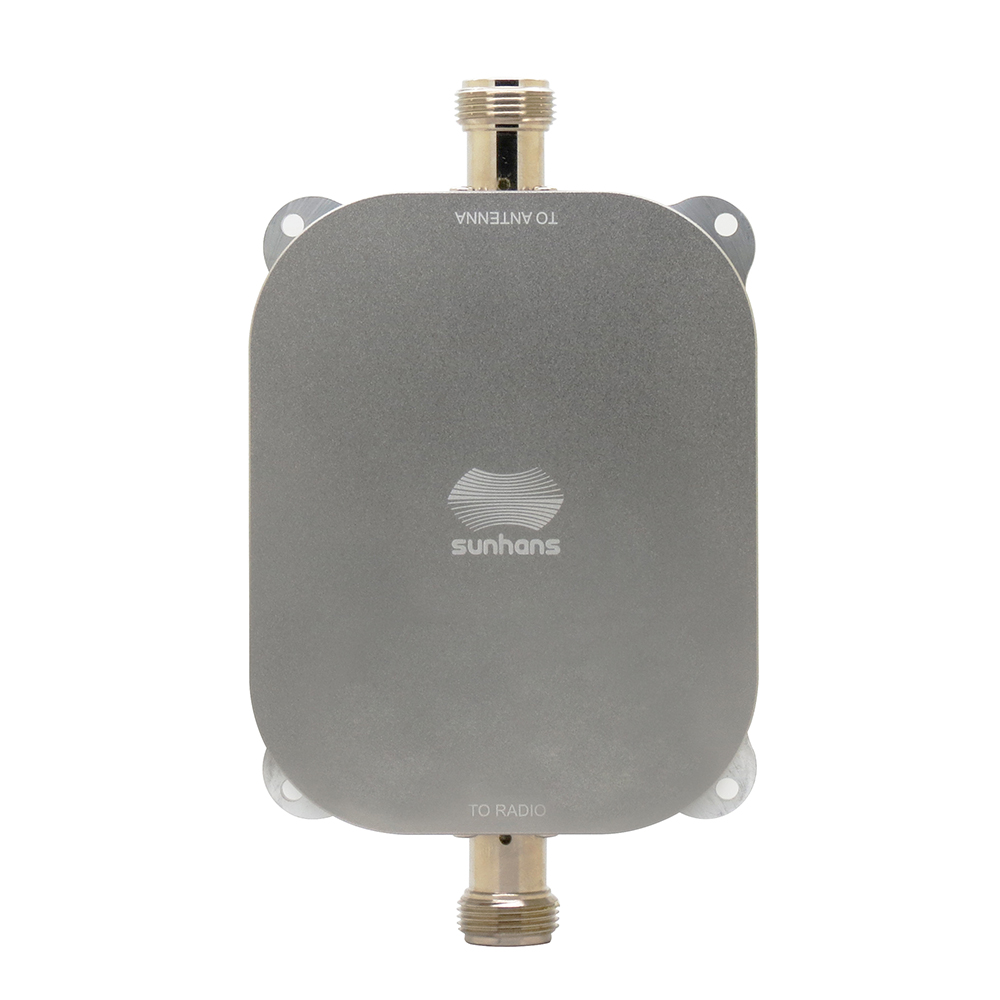
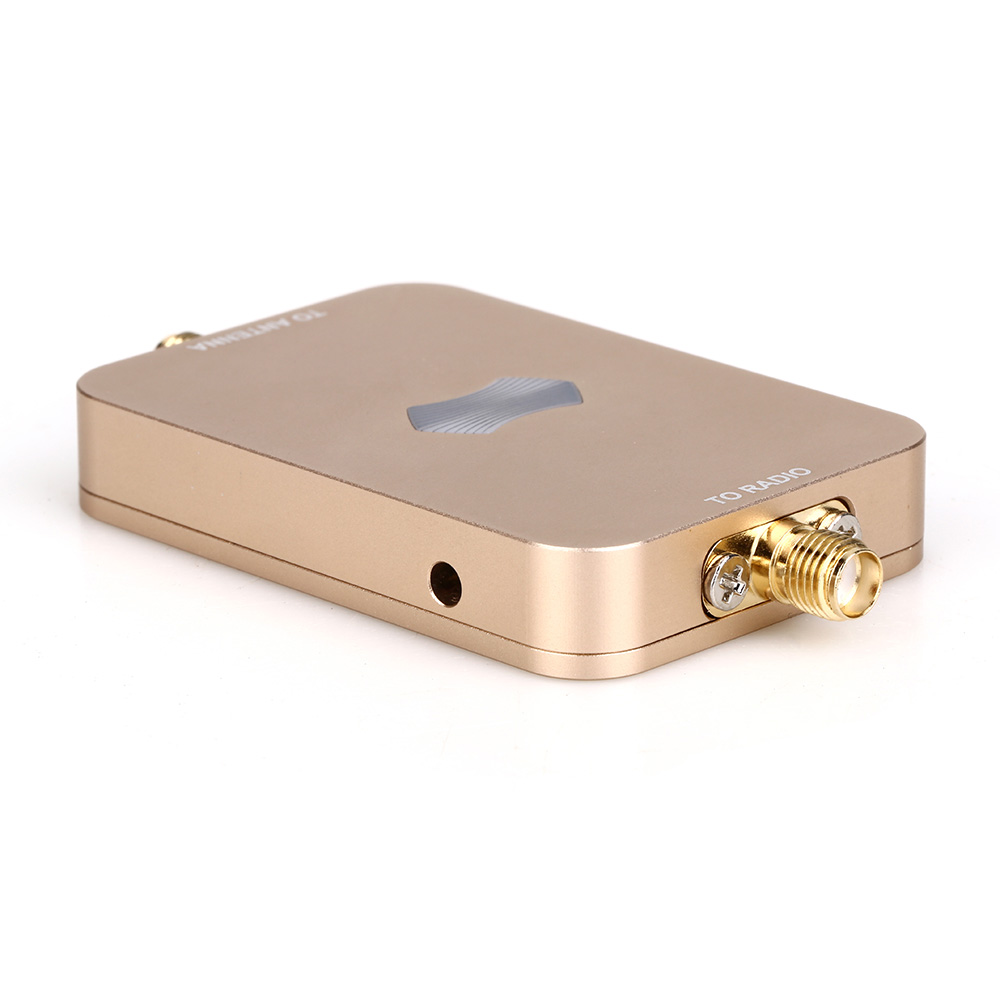
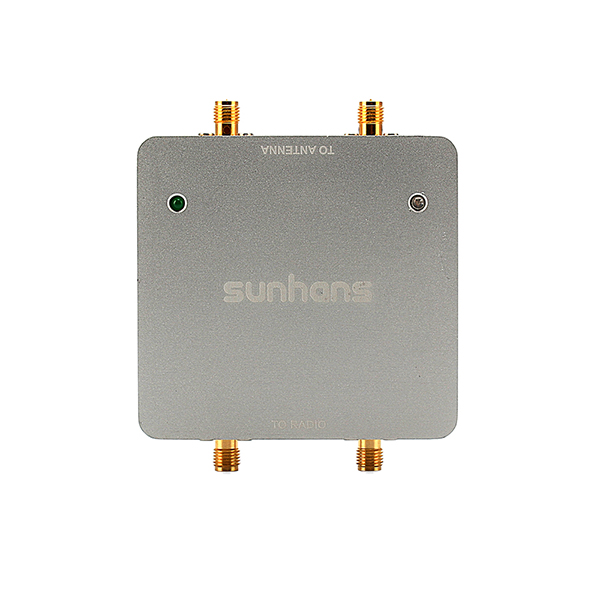
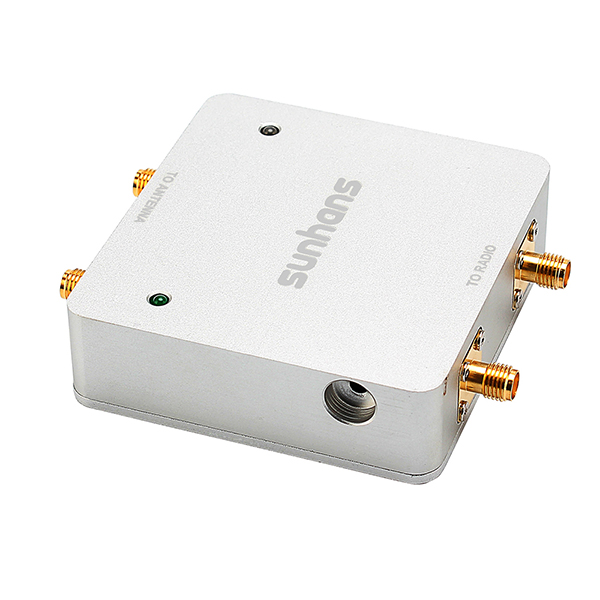
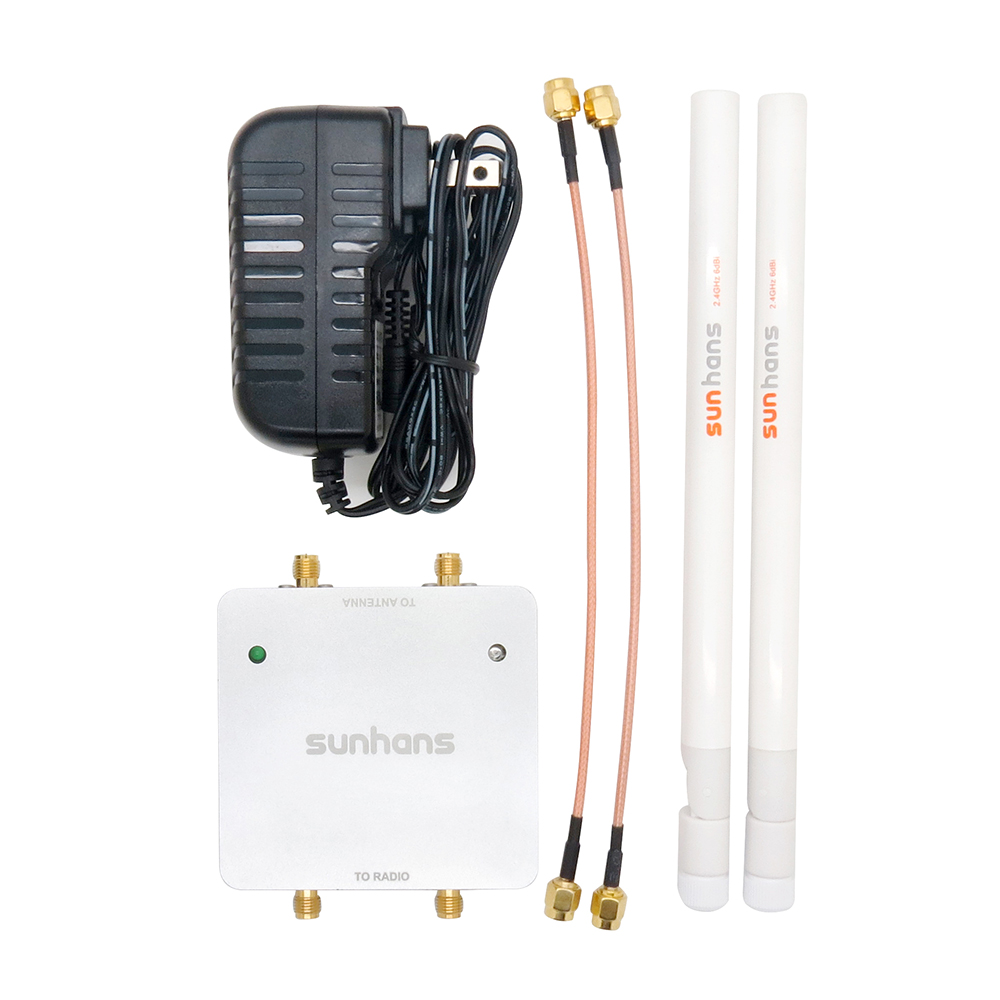
Some professional-grade portable routers include TS-9 or SMA ports. You can attach high-gain external antennas to these ports. Place the antennas near a window while the router stays in your office. This setup bridges the gap between the outdoors and your desk.
Overcoming the “Dead Zone” Challenge
Even with a great router, some rooms remain “dead zones.” This happens when the signal cannot reach the furthest corner. You can solve this without drilling holes in your walls.
-
WiFi Extenders: These devices pick up the router signal and repeat it.
-
Powerline Adapters: These send internet data through your home’s electrical wiring.
-
Mesh Systems: Some portable routers can connect to mesh nodes for total coverage.
Using these tools ensures that every room stays connected. You can enjoy a seamless transition from your living room to your bedroom.
Choosing the Right 4G LTE Portable WiFi Router
If you live in a thick-walled apartment, hardware choice is critical. Look for routers with high sensitivity ratings. A “Category 6” (Cat6) or higher router is usually best. These devices use carrier aggregation to combine multiple bands for a stronger link.
Furthermore, check the internal antenna design. Some brands specialize in high-penetration technology. Always read user reviews specifically regarding “indoor performance” before you buy. This research saves you time and money in the long run.

Reliable Indoor WiFi Is Possible
Can a 4G LTE wifi router penetrate thick apartment walls? Yes, but it requires the right strategy. By understanding frequency bands and choosing smart placement, you can achieve stability.
Don’t let concrete walls limit your productivity. Start by moving your router to a window today. If that fails, consider adding external antennas or an extender. With these professional tips, your indoor internet will be faster and more reliable than ever.
FAQ:
Does 5G work better than 4G through walls?
Usually, no. 4G LTE uses lower frequencies that penetrate solid objects more effectively than high-band 5G.
Can I use a portable router as a permanent home modem?
Yes. Many people use them for home internet, especially in areas where fiber is unavailable.
What is the best material for signal transparency?
Drywall and wood are the best. They offer very little resistance to your WiFi signal.